Surviving the Sacramento Heat: Smart AC Tips

(and Two Free Offers to Help)

If it feels like the heat just won’t let up, you’re not imagining it. Sacramento is in the middle of another stretch of triple-digit days, with highs regularly climbing into the upper 90s and 100s this time of year. When the heat sticks around like this, your AC isn’t just running a lot, it’s working overtime, and so is your electric bill.

Here’s how to stay cool, keep your system healthy, and save some money while you’re at it.

  • Don’t fight your thermostat. Setting it colder than you need doesn’t cool your home any faster, it just makes your system run longer. A steady setting around 78° while you’re home (and a bit higher when you’re away) is the sweet spot for comfort and efficiency.
  • Be mindful during peak hours. Energy demand, and cost is highest in the late afternoon and early evening. Pre-cooling your home earlier in the day and easing up on major appliances during peak hours can ease the load on your system and your bill.
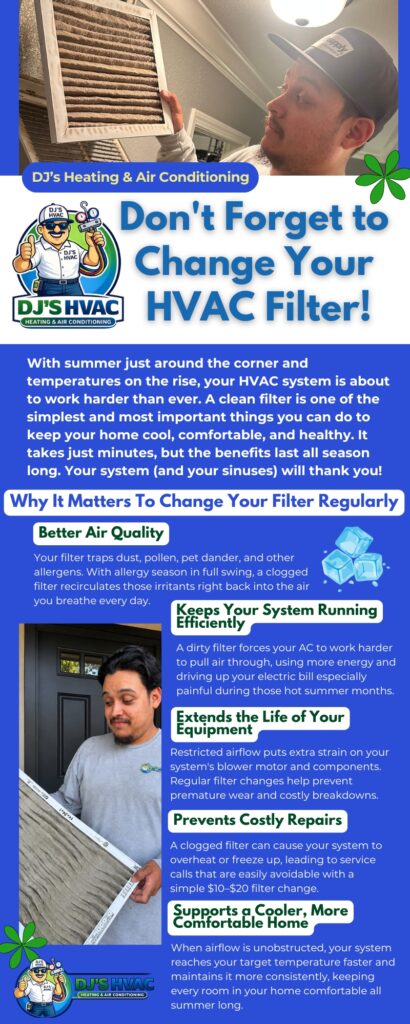
  • Check your air filter. A dirty filter restricts airflow, forcing your system to work harder for the same result. It’s one of the simplest maintenance items and one of the easiest to forget.
  • Clear space around your outdoor unit. Your condenser needs room to breathe. Keep at least two feet of clearance from plants, debris, or anything else that could block airflow.
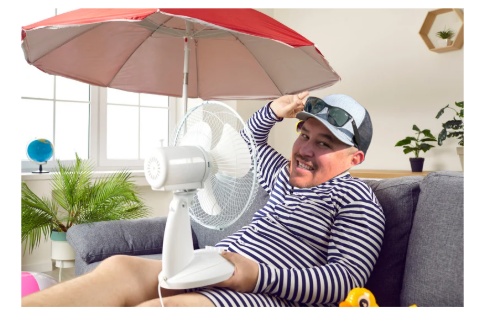
  • Let fans do some of the work. Ceiling and portable fans help circulate cool air so your AC doesn’t have to work as hard to keep a room comfortable, meaning you can raise the thermostat a couple degrees without noticing a difference.
  • Block the sun during peak heat. Closing blinds and curtains during the hottest part of the day keeps a surprising amount of heat from building up indoors in the first place.
  • Pay attention to warning signs. Weak airflow, strange noises, short cycling, or a system that runs constantly without actually cooling your home are all signs it’s struggling. During an extended heat wave, these issues tend to get worse, not better, if left alone.
Not Sure If You Need a Repair or a Second Opinion? We’ve Got You Covered.

We know it’s stressful when your AC starts acting up during a heat wave, and we don’t think you should have to gamble on a big repair decision. Right now, we’re offering:

Free Second Opinions — Already got a quote from another company? Let us take a look before you commit to anything.

Free Diagnostic with Repair — If you have us complete the repair, we waive the $79 diagnostic fee. You only pay for the repair itself.

Whether your system needs a quick fix or you just want peace of mind that you’re getting the right recommendation, our team is here to help Sacramento and Orangevale families stay cool without the stress.

Call us today at (916) 999-7134 to schedule your appointment.

DJ’s HVAC — Heating & Air Conditioning | Serving Sacramento, Orangevale, and surrounding areas | CA Contractor License #1148431

7 Common Reasons Your AC Stops Working

(And What to Do About It)

By the team at DJ’s HVAC | Serving Sacramento and surrounding areas

It’s 100 degrees in Sacramento, you flip on the AC, and… nothing. Or worse, it runs, but your house still feels like a sauna. Before you panic, know this: most AC failures come down to a handful of very common culprits. Some you can fix yourself in five minutes. Others call for a professional. Either way, knowing what’s going on puts you in control.

Here’s a rundown of the most common reasons we see air conditioners break down, and yes, one of them involves your dog.

1. A Dirty or Clogged Air Filter

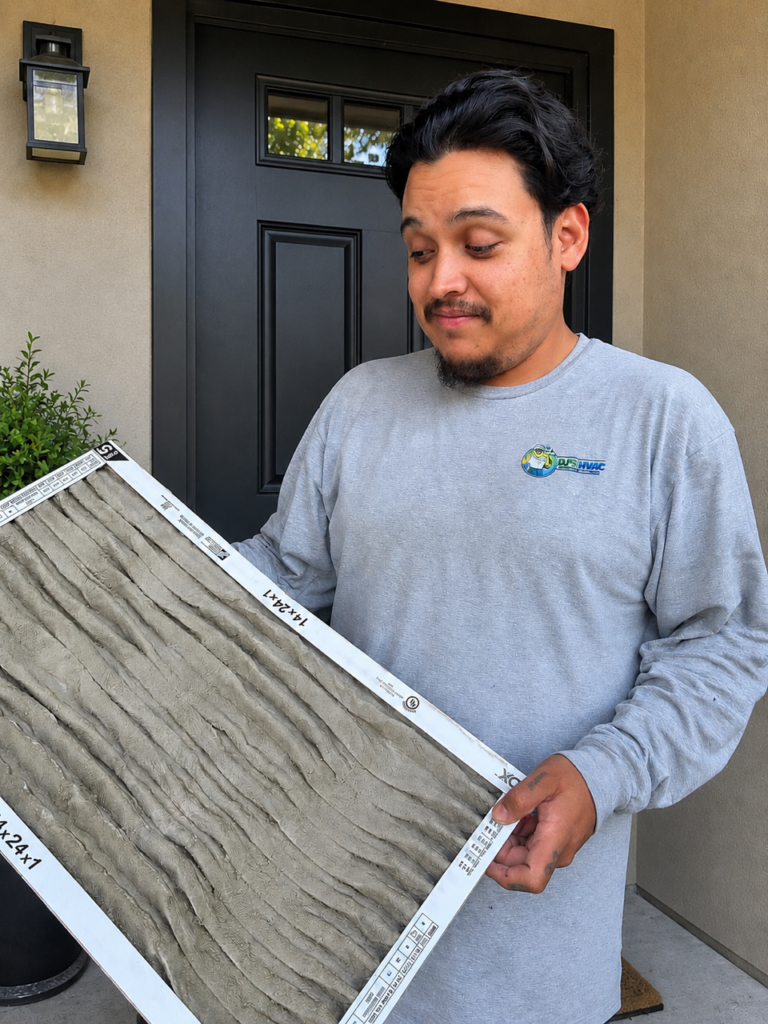
This is the number one cause of AC problems we see, and it’s almost entirely preventable. Your air filter catches dust, pet hair, pollen, and all the other stuff floating around your home. When it gets clogged, airflow is restricted, and your system has to work harder to push air through. Eventually, it overheats or freezes up entirely.

What to do: Check your filter right now. If it’s gray and fuzzy, replace it. Most homes should be swapping filters every 1–3 months, especially during peak cooling season. It’s a $10 fix that can save you a $500 repair call.

2. Low Refrigerant

Refrigerant is the substance that actually makes the cooling happen. If your system is low on refrigerant, it can’t pull heat out of your home effectively, so the AC runs and runs but never quite cools things down. You might also notice ice forming on the refrigerant lines.

Low refrigerant almost always means there’s a leak somewhere in the system. Simply “topping it off” is a short-term fix, the right solution is finding and repairing the leak.

What to do: This one needs a licensed HVAC technician. Handling refrigerant requires EPA certification, and you’ll want the leak found and fixed, not just patched over.

3. A Tripped Circuit Breaker

Sometimes the fix really is this simple. AC units draw a lot of power, and a power surge or brief overload can trip the breaker without any underlying damage.

What to do: Head to your electrical panel and look for a breaker that’s flipped to the middle or “off” position. Reset it, then turn your AC back on. If it trips again immediately, stop, that’s a sign of a bigger electrical issue, and you’ll want to call a pro before resetting it again.

4. A Frozen Evaporator Coil

Yes, your AC can literally freeze, even in Sacramento summer heat. The evaporator coil (located inside your air handler) needs proper airflow to function. When that airflow is blocked (often by a clogged filter: see #1), the coil gets too cold and ice builds up. A frozen coil can’t absorb heat, so your AC stops cooling.

You might notice warm air coming from your vents, or you might actually see ice on the unit itself.

What to do: Turn the system off and let it thaw completely, this can take several hours. While you wait, replace that filter. Once thawed, turn it back on. If it freezes again, call us, there may be a refrigerant issue or airflow problem that needs a closer look.

5. A Failing Capacitor or Contactor

The capacitor is like the battery that gives your AC’s motors a jolt to get them started. The contactor is the electrical switch that tells your system to turn on. Both are small, relatively inexpensive parts, and both wear out over time.

Signs of a bad capacitor: your outdoor unit hums but doesn’t fully start, or the system shuts off shortly after starting. Signs of a bad contactor: the unit doesn’t respond to the thermostat at all.

What to do: Both require a technician to diagnose and replace safely. The good news: these are usually quick, affordable repairs.

6. Thermostat Issues

Before assuming something is wrong with your AC unit, check the thermostat. Is it set to “cool” and not “fan only”? Is the temperature set lower than the current room temp? Has the battery died?

We’ve been on service calls where the fix was a fresh pair of AA batteries. It happens to everyone.

What to do: Double-check all settings, replace batteries if it’s battery-powered, and make sure it’s reading the room temperature accurately. If you have a smart thermostat that seems glitchy, try resetting it to factory settings.

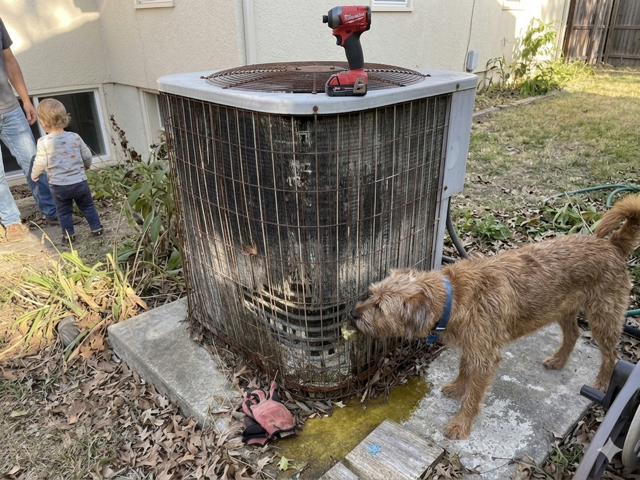
7. Dog (or Other Pet) Urine on the Outdoor Unit

Here’s one we don’t talk about enough, but we probably should, because it’s more common than people realize. 🐶

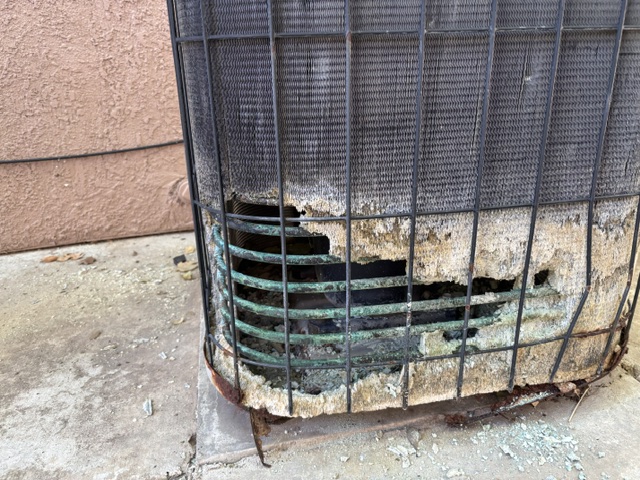
Your outdoor condenser unit sits at dog-nose height in the backyard, which makes it a prime target for curious pups doing their thing. Dog urine is highly acidic and corrosive. Over time, repeated exposure eats away at the aluminum fins on your condenser coil, the part responsible for releasing heat from your home. Corroded fins reduce your system’s efficiency and, left unchecked, can cause the coil to fail entirely.

We’ve seen units that looked perfectly fine from a distance but were severely damaged underneath from years of being a dog’s favorite landmark.

What to do:

  • Rinse your outdoor unit regularly with a garden hose (a gentle spray, not a pressure washer)
  • Consider placing a small fence or barrier around the unit to redirect your pup
  • If the fins look bent, discolored, or deteriorated, have a technician take a look, fin damage can sometimes be combed out, but advanced corrosion may mean coil replacement

It’s not the most glamorous part of HVAC maintenance, but protecting that outdoor unit from your four-legged family members can add years to your system’s life.

When to Call a Pro

Some AC problems are DIY-friendly, checking your filter, resetting a breaker, or swapping thermostat batteries. But when in doubt, it’s always better to call a licensed technician than to let a small issue turn into a much bigger (and more expensive) one.

At DJ’s HVAC, we serve Sacramento, Orangevale, and the surrounding area with honest, straightforward service. Whether it’s a quick tune-up or a full system diagnosis, we’re here to help 24/7 for emergencies.

📞 (916) 999-7134 🌐 www.djs-hvac.com 📧 info@djs-hvac.com

CA Contractor License #1148431

Everything you need to know about whole house fans.

Beat the Heat the Smart Way. The cooling secret Sacramento homeowners are finally discovering.

When Sacramento summers push temperatures past 100°F, most homeowners reach for the thermostat. But there’s a smarter, quieter, and far more affordable way to keep your home cool, and it’s been around for decades.

🌬️What Is a Whole House Fan?

A whole house fan is a powerful ventilation system installed in your ceiling, typically in a central hallway, that pulls cool outdoor air in through open windows and exhausts the hot, stale air out through your attic and roof vents. The result? Your home’s temperature drops fast.

Unlike a ceiling fan that simply circulates the same warm air, a whole house fan actually replaces the hot air inside your home with fresh, cooler outside air. It’s the difference between moving heat around and getting rid of it entirely.

💡The Benefits Are Hard to Ignore

💰 Dramatically Lower Energy Bills

Whole house fans use up to 90% less electricity than central air conditioning, putting serious savings back in your pocket every month.

❄️ Fast, Effective Cooling

A whole house fan can cool your home in minutes — not the 20–30 minutes it takes AC to catch up after a hot day.

🌿Fresh Air Circulation

Continuously replacing indoor air with fresh outdoor air dramatically improves air quality, reducing allergens, odors, and humidity.

🔇 Quiet & Unobtrusive

Modern whole house fans are engineered for whisper-quiet operation. You’ll feel the cool breeze before you hear the fan.

🌱 Eco-Friendly Choice

By leaning on natural ventilation, you reduce your carbon footprint and reliance on refrigerant-based cooling systems.

🔧 Low Maintenance

With fewer moving parts and no refrigerant lines, whole house fans require minimal upkeep compared to traditional AC units.

    90%Less energy than AC

    2–3°Temp drop per minute

    30+Year lifespan

    📅When Should You Use It?

    Whole house fans are most effective when the outdoor temperature is lower than indoors — typically in the morning, evening, and at night. In Sacramento, that window is reliably wide, with nights cooling down significantly even after scorching days.

    The ideal strategy: run your AC during the hottest midday hours, then switch to your whole house fan in the evening to flush out that built-up heat and cool the home down naturally overnight. Many homeowners find they can cut their AC use by half or more just by combining the two systems strategically.

    “Think of a whole house fan as nature’s air conditioner — it works with the climate, not against it.”

    🏡Is My Home a Good Candidate?

    Most homes are excellent candidates for a whole house fan. The key requirements are adequate attic ventilation (to exhaust the hot air) and openable windows (to bring cool air in). Homes in the Sacramento Valley are particularly well-suited, thanks to the region’s classic hot days and cool nights — exactly the climate whole house fans thrive in.

    The installation is typically completed in just a few hours, with minimal disruption to your home. A professional installer will assess your attic space, choose the right fan size for your square footage, and ensure proper venting so your system performs at its best.

    🆚Whole House Fan vs. Central AC: The Real Comparison

    Central air conditioning is essential on extreme heat days — we’re not dismissing it. But for the majority of Sacramento’s warm season, a whole house fan can do the heavy lifting at a fraction of the cost. Consider this: running a whole house fan for an entire evening costs about the same as running your AC for 20 minutes.

    Used together, these two systems form the ultimate Sacramento cooling strategy. Your AC handles the peak afternoon heat; your whole house fan takes over in the evening and overnight, keeping things comfortable without running up your utility bill.

    DJ’s HVAC · Sacramento’s Trusted Pros

    Ready to Stay Cool All Summer Long?

    DJ’s HVAC supplies and installs whole house fans for homeowners across the Sacramento area. Our team will help you choose the right system for your home and have it running in no time. Give us a call to set up an estimate!

    10 Summer AC Tips Every Sacramento Homeowner Should Know

    Sacramento summers are no joke. When temps climb into the triple digits, your air conditioner stops being a luxury and starts being a necessity. The good news? A little preparation goes a long way with HVAC. Whether your system is brand new or been running for years, these tips will help you stay cool, keep your energy bills in check, and avoid a breakdown on the hottest day of the year.

    At DJ’s Heating & Air Conditioning, we’ve seen firsthand what a well-maintained system can do, and what happens when one isn’t. Here’s what we tell every homeowner heading into summer.

    10 Tips to Keep Your AC Running All Summer Long

    1. Change Your Air Filter… Seriously
      We can’t say this enough: a dirty filter is the number one cause of reduced AC performance. A clogged filter restricts airflow, makes your system work harder, and can even cause it to freeze up or overheat. Replace your filter every 1–3 months. If you have pets or allergy sufferers in your home, lean toward monthly. Bonus: have a clean filter ready when we come out for your tune-up and we’ll swap it for you!
    2. Schedule a Summer Tune-Up Before the Heat Hits
      Think of a tune-up like an oil change for your AC. A professional inspection catches small problems before they turn into expensive repairs, and ensures your system is running at peak efficiency when you need it most. Our summer tune-up special is just $59 and covers a full system check, refrigerant levels, coil cleaning, electrical inspection, and more. Don’t wait until your system stops working on a 105-degree day.
    3. Set Your Thermostat Wisely
      Cranking your thermostat down to 65° doesn’t cool your home faster — it just runs your system longer and drives up your bill. The U.S. Department of Energy recommends 78°F when you’re home and higher when you’re away. A programmable or smart thermostat makes this effortless. If your system is struggling to reach your set temperature, that’s a sign something may need attention.
    4. Keep Vents Open and Unblocked
      Closing vents in unused rooms sounds like a smart way to save energy, but it actually creates pressure imbalances that strain your system. Walk through your home and make sure all supply and return vents are open, clean, and not blocked by furniture, rugs, or curtains. Good airflow throughout the house helps your AC do its job efficiently.
    5. Clean Around Your Outdoor Unit
      Your AC’s outdoor condenser unit needs room to breathe. Trim back any shrubs, weeds, or debris within at least 2 feet of the unit. Clear away leaves, dirt buildup, and grass clippings from the fins. A blocked or dirty condenser can’t release heat effectively, which reduces efficiency and puts extra stress on the system.
    6. Check Your Condensate Drain Line
      Your AC removes humidity from the air as it cools your home, and that moisture drains through a condensate line. Over time, algae and debris can clog this line, causing water to back up and potentially damage your system or your home. You can pour a cup of diluted bleach down the drain line periodically to keep it clear — or ask us to check it during your tune-up.
    7. Use Ceiling Fans to Help Your AC
      Ceiling fans don’t cool the air, but they create a wind-chill effect that makes rooms feel several degrees cooler. Running ceiling fans counterclockwise in summer allows you to raise your thermostat 4–5°F without noticing a difference in comfort, which adds up to real savings over the season. Just remember: fans cool people, not rooms, so turn them off when you leave.
    8. Reduce Heat Buildup Inside Your Home
      The less heat you generate indoors, the less your AC has to work. Close blinds and curtains on sun-facing windows during the hottest part of the day. Avoid using your oven during peak afternoon heat — opt for a slow cooker, grill, or microwave instead. Run appliances like dishwashers and dryers in the evening when outdoor temps drop.
    9. Know the Warning Signs of a Struggling System
      Don’t ignore what your AC is telling you. Common signs that something’s wrong include: warm air blowing from vents, weak airflow, unusual noises (banging, clicking, squealing), a sudden spike in your energy bill, or your system running constantly without reaching the set temperature. The earlier you catch a problem, the less expensive the fix.
    10. Don’t Skip Your Annual Maintenance
      One tune-up per year is the single most effective thing you can do to extend the life of your system and prevent unexpected breakdowns. Most manufacturer warranties also require documented maintenance. Our service plan members get two seasonal visits per year, priority scheduling, and discounted parts — so you’re covered going into both summer and winter.
    Pro Tip: The Best Time to Book Is Before Everyone Else Does

    Once the first heat wave hits, HVAC companies across Sacramento get slammed with service calls. Book your tune-up in May or early June and you’ll get faster scheduling, more flexible appointment times, and peace of mind before the real heat arrives. Our $59 summer special fills up fast — call us today to lock in your spot.

    When to Call a Professional

    Your AC isn’t cooling:  If it’s running but your home isn’t reaching the set temperature, there may be a refrigerant leak, a failing compressor, or an airflow issue.

    Ice on the unit:  Frost or ice on your indoor or outdoor unit is never normal and usually signals low refrigerant or a blocked airflow problem.

    Strange smells:  A burning smell could indicate an electrical issue. A musty odor may mean mold in the ductwork or drain pan.

    Loud or unusual noises:  Banging, rattling, or squealing can mean loose components, a failing motor, or debris in the unit.

    Short cycling:  If your AC is turning on and off rapidly without completing a full cooling cycle, the system may be oversized, low on refrigerant, or have a thermostat issue.

    Sudden high energy bills:  A spike in your electric bill without a change in usage habits often means your system is working much harder than it should.

    Let us know if you have any HVAC needs! We would be happy to get you on the schedule! Call or send us a message.

    Welcome To DJ’s HVAC

    DJ’s Heating and Air Conditioning is a locally owned HVAC company serving Sacramento and surrounding areas. We provide professional heating, air conditioning, and indoor air quality services with a focus on reliability, efficiency, and honest workmanship.

    This site is under construction! But if you want to get in touch, please feel free to reach out: